
Heat Pumps
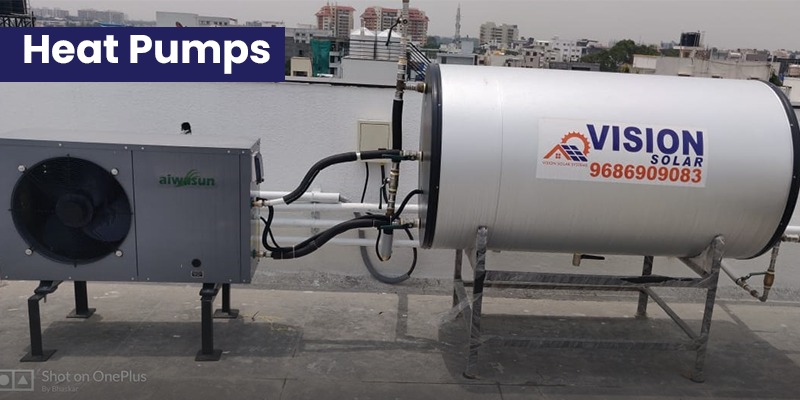
Heat Pumps
Heating and cooling account for a major portion of electricity usage in both homes and commercial buildings. Traditional systems consume high power, increase operating costs, and rely heavily on fossil fuels. This is where air source heat pumps offer a smarter, more sustainable alternative. Heat pumps don’t generate heat—they transfer heat from the air, which drastically reduces electricity consumption. Lower monthly power bills Reduced dependence on electric heaters and geysers Long-term savings without compromising comfort Air source heat pumps can efficiently supply hot water for bathrooms, kitchens, and laundry, even for large families. Maintain consistent water temperature Consume less power during peak usage hours Work efficiently throughout the year Heat pumps provide: Warm interiors during winter Cooling during summer Stable temperature without sudden fluctuations This makes them ideal for villas, apartments, and gated communities. No combustion, no gas, no smoke. Commercial spaces require continuous heating or hot water. Heat pumps significantly reduce operational expenses in: Hotels & resorts Hospitals & clinics Office buildings Educational institutions Lower energy consumption directly improves profitability. In commercial environments, consistent hot water is critical. Heat pumps deliver: Continuous hot water supply High-capacity performance Minimal downtime This is ideal for hotels, hostels, hospitals, and gyms. Heat pump systems can be: Designed for small commercial units Scaled up for large industrial or hospitality projects Vision Solar Systems provides solutions based on actual load requirements, ensuring efficiency without oversizing. Compared to boilers and electric heating systems: Fewer moving parts Lower wear and tear Reduced maintenance costs This makes heat pumps a dependable long-term investment for businesses. Heat pumps can deliver 3–4 units of heat for every 1 unit of electricity used, making them far more efficient than traditional systems. They work efficiently across varied temperature conditions, making them suitable for Indian climates. Many commercial projects aim for green building standards. Heat pumps support: Energy-efficient building designs Sustainability goals Lower carbon footprint Vision Solar Systems specializes in air source heat pump solutions designed for both residential and commercial applications. Their approach focuses on: Proper system sizing Energy optimization Integration with renewable energy systems Long-term performance and reliability Instead of a one-size-fits-all solution, Vision Solar Systems delivers purpose-built heat pump systems that match real usage needs. Heat pumps are ideal for: Homeowners looking to reduce power bills Builders planning sustainable housing projects Hotels and hospitals with high hot water demand Businesses seeking long-term operational savings Heat pumps are not just an alternative—they are a practical upgrade for homes and commercial spaces. With real energy savings, consistent comfort, and environmental benefits, they make sense both financially and sustainably. With Vision Solar Systems, heat pump technology becomes a reliable, future-ready solution tailored to your space and usage.How Heat Pumps Help Homes & Commercial Spaces
Real Advantages, Real Savings with Vision Solar Systems
How Heat Pumps Help in Residential Homes
1. Lower Electricity Bills for Everyday Living
For homes, this means:2. Hot Water Without High Power Usage
Unlike electric water heaters, they:3. Comfortable Indoor Climate in All Seasons
4. Safe & Environment-Friendly for Homes
Heat pumps reduce carbon emissions and create a healthier indoor environment, especially important for children and elderly family members.How Heat Pumps Help Commercial Spaces
1. Major Cost Savings for High-Usage Buildings
2. Reliable Hot Water for Large Demand
3. Scalable for Different Business Sizes
4. Reduced Maintenance & Longer System Life
Real Advantages of Heat Pumps Over Conventional Systems
Energy Efficiency
Consistent Performance
Sustainability & Compliance
Why Vision Solar Systems?
Who Should Consider Heat Pumps?
Final Takeaway